



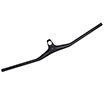
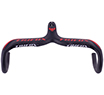





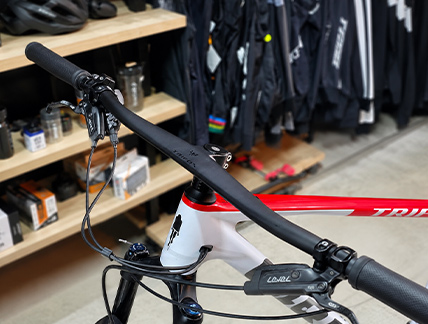
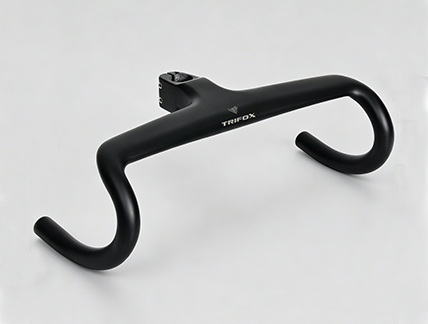
Mountain bike handlebars may seem like a simple component, but they directly affect riding posture, handling stability, and comfort. Choosing the right bar not only improves control but also makes long rides more enjoyable. So, how should you choose the right Mountain Bike Handlebars for yourself? Consider bar width, material, rise, and intended riding style. Why is bar width important? Bar width is a very important parameter when choosing MTB handlebars. Wider bars provide better handling stability, especially for high‑speed descents, Trail riding, and technical off‑road sections. Narrower bars offer quicker steering response and are better suited for urban riding and some XC scenarios. When choosing, you can refer to a mtb bar width guide and adjust according to your shoulder width, frame size, and riding style. For most MTB riders, bar width usually needs to strike a balance between stability and agility, rather than simply chasing "wider is better". What are the advantages of carbon handlebars? Compared with traditional aluminium bars, one of the biggest advantages of carbon fibre handlebars is light weight. High‑quality carbon fibre can reduce weight while maintaining sufficient stiffness, and it also filters out some high‑frequency vibrations from gravel and trail chatter. This is especially valuable for XC, Trail, and long‑distance mountain biking. If you are building a lightweight mountain bike, a good carbon handlebar can help lower overall bike weight while improving riding comfort. What are MTB Aero Bars? As aerodynamic design in cycling continues to evolve, mtb aero bars have also started to attract attention from some speed‑focused riders. Aerodynamic designs optimise the bar's shape and airflow, while also giving the bike a more modern visual appearance. However, for mountain biking, handling and safety should always come first. So when choosing Aero bars, make sure they suit your riding type and frame setup. TRIFOX RHB100 Carbon MTB Handlebar If you are looking for an MTB handlebar that combines light weight, stiffness, and aero design, check out the TRIFOX RHB100 Carbon Integrated Handlebar. The RHB100 features a high‑strength carbon fibre construction with an integrated design that combines the bar and stem into one piece. This reduces weight from traditional clamp‑on systems and enhances the overall visual appeal. It is ideal for riders who want to build a lightweight, high‑performance mountain bike. Key features of the RHB100 include: - Lightweight carbon fibre construction - Integrated one‑piece bar design - Aero profile for reduced drag - High stiffness for precise steering response - Clean, modern aesthetics - Suitable for XC and high‑speed off‑road riding For MTB riders chasing light weight and a tidy cockpit, this type of integrated carbon bar is a very worthwhile upgrade. How to choose the right handlebar for you? If you mainly ride XC or long distances, prioritise lightweight, stiff carbon handlebars. If you frequently ride Trail or technical terrain, pay more attention to bar width and handling stability. Also consider your height, shoulder width, frame size, and riding posture. The right handlebar for you is not necessarily the lightest or widest, but one that keeps you comfortable over long rides while providing adequate control. Conclusion When choosing MTB handlebars, don't focus only on weight and appearance. Bar width, material, shape, and riding purpose all affect the final experience. By referring to a mtb bar width guide and matching your physical dimensions, you can achieve a more natural and stable riding position. If you want to further reduce bike weight while improving handling feel and visual appeal, the TRIFOX RHB100 carbon integrated MTB handlebar is a model worth considering. For MTB riders pursuing speed, light weight, and modern design, it brings a noticeable upgrade to your bike's performance.
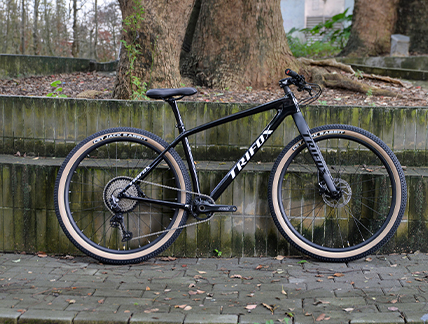
Carbon fibre mountain bikes are increasingly popular among MTB riders for their light weight, high stiffness, and excellent ride quality. However, mountain riding environments are often harsh – mud, dust, and water stains can accumulate on the frame, drivetrain, and suspension components. If left uncleaned for long periods, this not only affects the bike's appearance but also accelerates component wear. So, how do you properly wash a carbon MTB bike? Here is a simple, safe cleaning method. What do you need before washing a carbon MTB? Before you start, it is recommended to have: - Bicycle‑specific cleaner - Soft sponge or brush - Clean towels - A bucket of water - Chain cleaning tool - Bicycle lubricant It is important to note that while carbon fibre is strong, the clear coat and paint still need protection. Avoid using harsh, corrosive cleaners and never use a high‑pressure washer directly on frame joints or bearing areas. Step 1: Remove mud from the frame first If your MTB has just finished a trail ride, the frame and tyres are usually covered in mud. Start by gently rinsing off surface dust with clean water. For large mud clumps, wet them first to soften, then wipe away. Do not use a dry cloth to scrub hard, as abrasive particles could scratch the frame's surface. Step 2: Clean the carbon frame The TRIFOX SDY20 Carbon MTB Bike features a lightweight carbon frame, so special care is needed to protect the surface during daily cleaning. When washing the frame: - Use a soft sponge - Clean from top to bottom - Avoid hard bristle brushes - Check for any unusual scratches on the frame One of the biggest advantages of a carbon frame is its light weight and durability – with proper maintenance, it will perform well for many years. Step 3: Focus on the drivetrain Compared with the frame, the chain, cassette, and chainrings accumulate far more grime. When cleaning the drivetrain, use a dedicated degreaser and pay special attention to: - Chain - Rear derailleur - Cassette - Chainrings After cleaning, always re‑apply chain lubricant. This reduces friction and improves shifting smoothness. Why is it worth maintaining your carbon MTB? Many riders focus on price and specifications when buying an MTB. Today, there are many low priced mountain bikes on the market, but high‑quality carbon models still need proper care to deliver long‑term performance. For those who love off‑road riding, a well‑maintained bike not only rides more smoothly but also extends the life of every component. Whether in European, American, or Spanish‑speaking markets, more and more riders are paying attention to high‑performance bicicletas de montaña – and proper cleaning and maintenance are essential steps to keep your bike performing at its best. TRIFOX SDY20: A lightweight carbon mountain bike option The TRIFOX SDY20 is a carbon mountain bike designed specifically for XC and everyday trail riding. It features a lightweight carbon hardtail frame combined with modern Boost standards, offering riders better stiffness and handling. Key features include: - Carbon hardtail frame - Lightweight design - Boost rear axle standard - Excellent pedalling efficiency - Suitable for XC, trail, and daily riding For riders who want high performance without breaking the bank, the SDY20 is a model worth considering. What to do after washing? After cleaning, finish with these final steps: First, dry the frame and components with a clean towel. Then, check: - Brake function - Chain lubrication - Bolt tightness - Tyre pressure If you won't be riding for a while, store the bike in a dry place away from prolonged direct sunlight. Conclusion Properly washing a carbon MTB is not complicated, but attention to detail matters. Regular cleaning of the frame and drivetrain keeps your bike performing better and extends its lifespan. The TRIFOX SDY20 carbon mountain bike, with its lightweight frame, efficient handling, and reliable performance, is a model worth considering for XC riders and MTB enthusiasts alike. Whether you choose an entry‑level low priced mountain bikes or a high‑performance carbon bicicletas de montaña, good cleaning habits are the key to keeping your bike in its best condition.
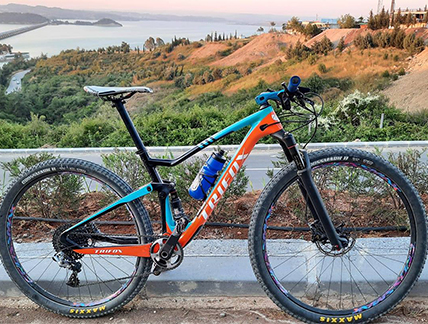
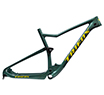
When choosing a full suspension mountain bike frame, getting the right size is crucial. Many riders focus only on wheel size and suspension travel, overlooking whether the frame dimensions actually fit their body proportions. A properly sized frame not only affects riding comfort but also directly influences handling, safety, and pedalling efficiency. So, how do you correctly measure a Full Suspension Mountain Bike Frame? This article covers the key measurements you need to know. What dimensions matter when measuring a full suspension frame? Compared with a hardtail, a full suspension frame has a more complex structure, so you cannot simply look at seat tube length. The main parameters to consider are: 1. Reach Reach is the horizontal distance from the bottom bracket centre to the top centre of the head tube. It determines how far the rider's body is from the handlebar when standing and pedalling. For Trail, Enduro, or full‑suspension XC bikes, Reach is a critical handling parameter. If Reach is too short, the bike feels cramped; if too long, it can make handling difficult. 2. Stack Stack is the vertical height from the bottom bracket centre to the top of the head tube. It affects how high or low your riding posture is. A higher Stack generally offers a more comfortable and stable ride, while a lower Stack leans towards a racier, speed‑oriented position. 3. Seat Tube Length Seat tube length determines the maximum dropper post length you can install, and also affects standover height. When choosing a frame, ensure there is enough clearance when standing over the top tube. Wheel size is also an important factor Currently, 29‑inch full suspension mountain bikes are the most popular on the market. Compared with 27.5‑inch models, a 29 full suspension mountain bike frame offers better rollover capability and high‑speed stability. The 29‑inch wheels roll more easily over rocks, roots, and rough terrain, making them ideal for XC, Trail, and long‑distance off‑road riding. TRIFOX MFM100: Lightweight carbon full suspension frame If you are looking for a high‑performance full suspension mountain bike frame, take a look at the TRIFOX MFM100 Carbon Full Suspension MTB Frame. The MFM100 is crafted from high‑quality carbon fibre, striking a great balance between light weight, stiffness, and suspension performance – making it an excellent carbon full suspension mountain bike frame for XC and Trail riding. Key features include: - Full carbon fibre frame construction - 29‑inch wheel design - Full suspension system for improved rough‑terrain capability - 115mm adjustable rear travel - Boost 148×12mm rear axle standard - Wide tyre clearance for enhanced stability - Lightweight design for better climbing efficiency Whether on fast singletrack, XC races, or long backcountry rides, the MFM100 delivers stable and reliable performance. How to choose the right full suspension frame size for you? As a general guideline: - Smaller riders usually suit size S/XS. - Average‑height riders often choose size M. - Taller riders or those who prefer more stability can consider size L. However, beyond height, you should also consider leg length, riding style, and personal preference. If you prefer nimble handling, a slightly smaller size may work; if you prioritise high‑speed stability, a larger size is often better. Conclusion Measuring a full suspension mountain bike frame is not just about looking at the size label – you need to consider Reach, Stack, seat tube length, wheel size, and your riding needs. A correctly sized frame makes your rides more comfortable and allows the bike to perform at its best. If you are looking for a lightweight, high‑performance carbon full suspension mountain bike frame, the TRIFOX MFM100, with its carbon construction, 29‑inch wheels, and capable suspension design, is an ideal choice for upgrading your full‑suspension mountain bike.
Choosing a road handlebar is about more than finding a width that matches your shoulders. Beneath the surface, three hidden measurements silently govern how your bike feels and how you fit on it: reach, drop, and flare. Understanding these numbers can transform an ill‑fitting cockpit into a personalized command center — one where you ride longer, faster, and with greater control. The Trifox DHB1000 integrated carbon bar serves as an excellent case study, as its compact geometry strikes an ideal balance for riders seeking real‑world performance. bicycle drop bars use these three measurements to define their shape.Reach is the horizontal distance from the center of the handlebar clamp to the most forward curve of the bar before it bends back toward the rider. In simple terms, it determines how far you must stretch to reach the hoods and drops. The DHB1000 has a 75mm reach, which falls into the “compact” category. A shorter reach (75‑80mm) is more forgiving on the lower back and shoulders, especially during long days in the saddle. A longer reach (85mm or more) creates a more stretched‑out, aerodynamic position favored by racers, but demands greater flexibility. For most enthusiasts, a compact reach like 75mm allows an efficient aero tuck without sacrifcing all‑day comfort. While reach controls forward stretch, drop governs vertical posture. Drop is the vertical distance measured from the highest point of the handlebar (typically where the tops meet the stem) down to the lowest point of the drops. The DHB1000 features a 125mm drop. A shallower drop (110‑130mm) makes it easier to transition from hoods to drops, reducing strain on the wrists and neck during descending or sprinting. By contrast, a deeper drop (over 135mm) creates a more aggressive, aerodynamic tuck but can be uncomfortable for riders with limited flexibility. The 125mm drop on this bar is a modern “standard” — low enough to get aero when you need it, yet shallow enough to use comfortably without chronic discomfort. Being able to use the drops comfortably is critical, as it offers the greatest possible braking leverage while descending. The third critical parameter is flare, which is measured in degrees. Flare describes how much the drops angle outward away from the centerline of the bike compared to the hoods. Traditional road handlebars have zero or minimal flare; gravel bars often have 12‑20 degrees. While the DHB1000 has a modest flare, this measurement is important for any road cycling handlebars. A small flare (2‑6 degrees) makes the drops slightly wider than the hoods, which improves stability and wrist clearance during hard cornering or descending. A larger flare (over 10 degrees) provides even more control on rough pavement or gravel but adds frontal area. For pure road riding, a subtle flare offers the best of both worlds — a narrow aero profile at the hoods with a slightly wider, more stable position when you need it most. Width, reach, drop, and flare don’t exist in isolation — they work together as a system. A wider handlebar (the DHB1000 measures 400mm center‑to‑center) offers more steering leverage and stability, especially on descents. A narrower bar reduces frontal area and improves aerodynamics. When you combine a compact 75mm reach with a moderate 125mm drop, the result is a cockpit that is accessible to a wide range of riders — from weekend sportive participants to competitive club racers. Integrated cockpits like the DHB1000 also eliminate the bar‑stem interface, which can creak or introduce unwanted flex. The one‑piece T800 carbon construction ensures that every steering input is transmitted directly to the fork without energy loss.Riders who have installed the DHB1000 note that the 400mm width and 75mm reach “put me in a nice aero position” while the fully internal routing gives a “professional look — no cables flapping in the wind.” Weight came in at 372g on the reviewer’s scale. Ultimately, the right handlebar is the one that fits your body and your riding style. Use reach to find your comfort on the hoods, use drop to find your confidence in the drops, and use flare to fine‑tune your control. For most road cyclists, a compact integrated bar with a shallow drop and moderate reach — like the Trifox DHB1000 — represents the sweet spot of aerodynamic efficiency, all‑day comfort, and precise handling.
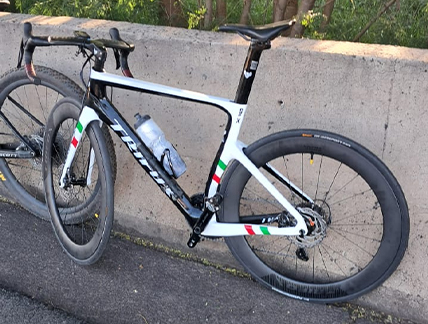
Buying a bike frame online can feel like a leap of faith. You stare at a geometry chart filled with numbers like “74.25°” and “531mm,” wondering if they translate into a bike that fits your body. The Trifox X10 frameset, priced at an incredible $359, offers a full-carbon, disc-brake road platform—but only if you choose the correct size. Here’s how to decode its geometry chart and find your scientific fit. Step 1: Forget the “Rider Height” Chart First Every bike brand provides a recommended height chart, and Trifox is no exception. For the X10, those recommendations are: SizeRider HeightInseam XS-49cm155-168cm74-79cm S-52cm168-175cm76-81cm M-54cm173-180cm78-83cm L-56cm178-185cm81-86cm XL-58cm183-190cm74-79cm While useful as a rough guide, height alone is deceptive. Two riders of the same height can have different torso lengths, arm lengths, and flexibility levels. Use these ranges as a starting point, not a final verdict. Step 2: Understand Stack and Reach—The Universal Fit Language Stack and reach are the two most critical measurements for comparing bike fit across brands . Think of them as the waist and inseam measurements of a pair of pants. * Stack (vertical distance from bottom bracket to head tube top) indicates how upright or aggressive your position will be. The X10’s stack ranges from 508mm (XS) to 577mm (XL)reference. Higher stack = more upright = less back strain. Lower stack = more aerodynamic = racier position. * Reach (horizontal distance from bottom bracket to head tube top) determines how stretched out you feel. The X10’s reach runs from 371mm (XS) to 398mm (XL)reference. Longer reach = more stretched = more aero. Shorter reach = more compact = more upright. Because these measurements are independent of tube angles, they allow you to compare the X10 directly to any bike you’ve ridden or tested before. Step 3: Match Your Body to the Numbers Start with your current bike (or a test-ridden bike that fits well). Look up its stack and reach. If you don’t know them, measure your favorite bike using a level and tape measure. Then find the X10 size with the closest match. For example, a rider moving from a 54cm endurance bike with stack 580mm and reach 375mm would likely fit the X10’s M-54cm (stack 540mm, reach 384.5mm) but might need a slightly taller stem to compensate for the lower stack. A racer coming from a 56cm aggressive race bike with stack 555mm and reach 395mm would find the L-56cm (stack 562mm, reach 390mm) almost identical. If you’re between sizes, consider your riding style and flexibility. More flexible, performance-oriented riders often size down for a lower, more aerodynamic position. Riders seeking comfort and stability for long days size up. For those on the taller end, the XL-58cm is an excellent xl bike frame option, offering a 577mm stack and 398mm reach—ideal for riders 183-190cm who want a race-ready position without feeling cramped. Step 4: Consider the Complete Picture Stack and reach don’t tell the whole story. Also examine: * Head Tube Angle (71-73°): Steeper angles (73°) offer quicker steering; slacker angles (71°) provide more stability. The X10 progresses from 71° on the XS to 73° on the XL , ensuring consistent handling across sizes. * Seat Tube Angle (74.25-72.75°): A steeper angle moves your hips forward for better climbing efficiency. * Top Tube Length (515-575mm): A traditional fit reference. The X10’s top tube grows progressively with size. Step 5: Test Ride or Trust the Process Nothing replaces a test ride. But for online purchases, use these steps: measure your inseam (barefoot, book between legs, measure from floor to book top), calculate your ideal saddle height (inseam × 0.883), and compare the X10’s stack and reach to a known good fit. When in doubt, many fitters recommend choosing the smaller frame—it’s easier to lengthen reach with a longer stem than to shorten a frame that’s too large reference. The Verdict The Trifox X10 is a modern, race-oriented road bike large frame that rewards riders who take fit seriously. Its geometry—from the 73° head angle on the XL to the progressive stack and reach—is designed for efficient power transfer and stable high-speed handlingreference. By understanding stack and reach, you can move beyond guesswork and choose the X10 size that turns a great carbon frame into your perfect riding position.
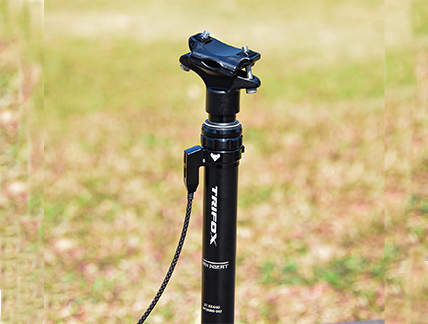
A dropper post is one of those upgrades that, once you ride with one, you’ll wonder how you ever lived without it. Being able to drop your saddle at the push of a lever—and return it to your perfect climbing height automatically—transforms trail riding. But with travel options ranging from 100mm to over 200mm, how much do you actually need? And what’s the right amount for your bike, your terrain, and your budget? Let’s break it down, and then look at why the Trifox AP316 (125mm travel) is the perfect first upgrade for many riders. What Does Dropper Travel Mean? Dropper post travel is the vertical distance the saddle can move from its fully extended (climbing) position to its fully dropped (descending) position. More travel means you can get the saddle completely out of the way on steep descents. Less travel might leave the saddle still bumping your thighs when you’re hanging off the back of the bike. The “right” amount balances your riding style, frame geometry, and personal height. Travel Ranges and What They’re For * 100mm – XC and Light Trail: This is for cross-country riders who spend most of their time climbing or on rolling terrain. A 100mm drop is enough to get the saddle low for small descents, but not so much that it compromises the efficient pedaling platform. It’s also a good fit for smaller frames where insertion depth is limited. * 125mm – The All-Around Sweet Spot (Where the AP316 Sits): This is the most common travel for trail and all-mountain riding. A 125mm drop gets the saddle completely clear for most moderate-to-steep descents while still fitting into many frames. It’s the “do‑it‑all” travel that works for riders of average height (170‑185cm) on medium to large frames. The Trifox AP316 offers 125mm of smooth air-sprung travel, making it an ideal choice for a first dropper upgrade. It provides enough clearance for the vast majority of trail riders, without requiring a massive insertion depth or a super-long seat tube. * 150mm – Aggressive Trail and Enduro: For riders who regularly hit steep, technical descents and want the saddle completely invisible, 150mm is the ticket. This travel is common on modern enduro bikes with longer seat tubes. However, it requires sufficient seat tube length and insertion depth, so not every frame can accommodate a 150mm post. * 170mm – 200mm – Long-Travel (Enduro / Downcountry): These are for riders who want the saddle to drop as low as possible—often for bike park laps or very steep terrain. They’re typically found on large or XL frames with very long seat tubes. Most riders don’t need this much travel; it’s a specialty choice. How to Determine the Right Travel for You Three factors limit how much travel you can run: 1. Your Height and Inseam: Taller riders need more saddle height to begin with, so they can often run longer travel posts without the collar hitting the frame when fully extended. 2. Your Frame’s Seat Tube Length: Measure the exposed seatpost length from the collar to your pedaling height. Subtract the minimum insertion depth (usually 70‑100mm). That number is the maximum travel you can safely use. For example, if you have 230mm of exposed post and need 100mm inserted, you can run up to about 130mm of travel. 3. Your Riding Terrain: If your local trails are rolling with short descents, 100‑125mm is plenty. If you ride steep, long descents regularly, aim for 150mm or more. Why the AP316 Is the Best Budget Dropper Post for Most Riders The Trifox AP316 is a 125mm travel dropper post available in 30.9mm and 31.6mm diameters. It’s constructed from durable 7075 aluminum, uses an air-sprung cartridge, and comes with a 1.5m remote cable. But what makes it truly special for budget-conscious riders is its three routing options: upper (APS316), center (APM316), or bottom (APD316) cable entry. This means no matter your frame—external or internal routing—you can find a version that fits cleanly. For those with older frames or external cable guides, the external routed dropper post options (upper or center) provide a simple, no‑drill installation. With its 125mm travel, it covers the needs of most trail, XC, and all-mountain riders. And at a price point that’s often under $70, it’s widely considered the best budget dropper post for anyone making their first foray into dropper posts. The AP316: Your First Upgrade You don’t need a 200mm post to enjoy the benefits of a dropper. For most riders, 125mm is the magic number—enough to get the saddle out of the way on descents while remaining compatible with a wide range of frames. The Trifox AP316 delivers that travel with reliable air-suspension performance, durable construction, and multiple routing options. It’s the perfect gateway to a more confident, capable, and fun mountain biking experience. Measure your exposed post, check your seat tube length, and if 125mm fits, the AP316 is your best value choice.
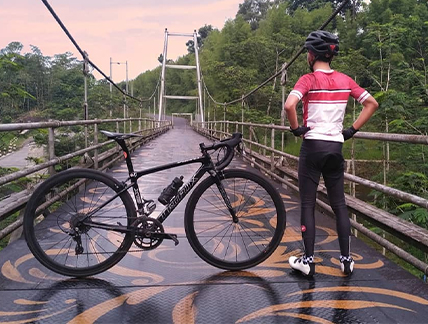
A great bike is more than the sum of its parts—it's an extension of your body. No matter how advanced your components, improper bike fit can lead to discomfort, inefficiency, and even injury. Achieving the right fit transforms your riding experience, maximizing both comfort and performance. This is especially crucial when you're investing in a precision-engineered racing frame like the Trifox X16QR, where every advantage of its lightweight frame design should work in harmony with your physiology. The importance of proper bike fit begins with performance optimization. A well-fitted bike allows you to generate power efficiently through an optimal pedaling motion. When your saddle height, fore/aft position, and handlebar reach are dialed in, you engage the correct muscle groups, reduce energy waste, and maintain an aerodynamic position longer. This is where a quality lightweight frame truly shines—its stiffness and responsiveness translate your effort directly into speed, but only if your body is positioned to deliver that power effectively. Comfort and injury prevention are equally critical. Poor fit is the leading cause of common cycling ailments: knee pain from incorrect saddle height, lower back strain from excessive reach, or hand numbness from improper weight distribution. A professional fit addresses these issues by aligning your joints and distributing pressure appropriately. The Trifox X16QR racing frame, with its multiple size options and modern geometry, provides the ideal starting point for achieving this balanced position. Achieving your perfect fit involves several key measurements and adjustments: 1. Frame Size Selection: This is your foundation. The Trifox X16QR comes in multiple sizes to accommodate different body proportions. Your ideal size is determined primarily by your inseam measurement and torso length, not just overall height. A frame that's too large forces excessive reach, while one too small leads to cramped positioning. 2. Saddle Position: Start by setting saddle height so your leg has a slight bend (25-35 degrees) at the bottom of the pedal stroke. Then adjust fore/aft position so your knee is directly above the pedal spindle when the crank is horizontal (the KOPS method). This ensures proper knee alignment and power transfer. 3. Handlebar Reach and Drop: Your handlebar position determines your upper body comfort. Reach (distance from saddle to bars) should allow a comfortable bend in your elbows without straining your back. Drop (height difference between saddle and bars) affects aerodynamics and back angle—more aggressive for racing, more relaxed for endurance. 4. Cleat Position: For riders using clipless pedals, cleat positioning on your shoes dramatically affects knee alignment and pedaling efficiency. Cleats should generally align with the ball of your foot, with slight adjustments based on your natural foot angle. For the most accurate results, consider a professional bike fit. Many bike shops offer fitting services using motion capture technology, pressure mapping, and experienced fitters who understand biomechanics. While this represents an additional investment, it's often the most valuable upgrade you can make to your cycling experience. When working with a high-performance frame like the X16QR, attention to component compatibility enhances your fit. The frame's geometry is designed for modern component standards, allowing precise adjustments through stem length, handlebar width, and crank arm length. Its carbon construction provides the stiffness needed for efficient power transfer while offering some compliance for long-ride comfort. Ultimately, the perfect bike fit is personal and evolves with your fitness and riding goals. The Trifox X16QR provides an excellent platform with its multiple size options, modern geometry, and lightweight frame construction. By taking the time to dial in your position—whether through professional help or careful self-measurement—you'll unlock the full potential of your equipment. You'll ride faster, farther, and with greater enjoyment, proving that the right fit is where true performance begins.
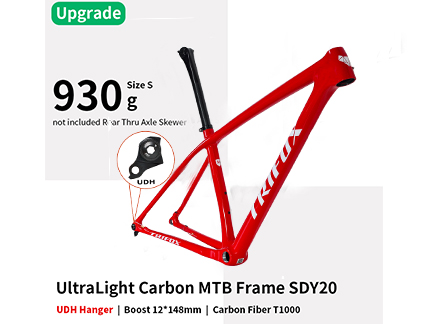
The perception that carbon fiber mountain bikes are delicate relics of road cycling has been thoroughly dismantled by modern engineering. Today's carbon hardtail frames are purpose-built to endure the punishing realities of trail riding while delivering the weight savings and performance benefits that make carbon so desirable. Understanding how frames like the Trifox SDY20 withstand trail hazards reveals the sophisticated engineering behind what appears to be a simple frame. Modern carbon engineering begins with material science advancements. Unlike early carbon designs that used single-direction layups, current frames employ multi-directional carbon fiber weaves with varying modulus fibers. High-modulus fibers provide stiffness in critical areas like the bottom bracket and head tube, while more flexible fibers in seatstays and chainstays absorb impacts. This strategic fiber placement creates frames that are simultaneously stiff where you need power transfer and compliant where you need shock absorption. Impact resistance represents one of carbon's most misunderstood qualities. When properly engineered, carbon frames demonstrate remarkable resilience to trail impacts. The SDY20 light hardtail frame utilizes reinforced zones at common impact points: thicker carbon layups around the downtube where rocks might strike, reinforced chainstay protectors, and impact-resistant finishes. Unlike aluminum that dents permanently or cracks catastrophically, quality carbon construction often shows visible damage before catastrophic failure, giving riders warning signs. Fatigue resistance is another critical factor. Trail riding subjects frames to thousands of vibration cycles and stress fluctuations. Carbon's natural vibration-damping properties reduce rider fatigue, but more importantly, modern resin systems and curing processes create bonds that resist micro-cracking under repetitive stress. The 19 inch bike frame and other sizes in the SDY20 lineup undergo rigorous fatigue testing that simulates years of aggressive trail use, ensuring long-term durability. Connection points receive special attention in trail-oriented carbon frames. The SDY20 features reinforced interfaces where components attach: extra carbon layers around the 148mm Boost axle dropouts, strengthened bottle cage mounts, and oversized bearing seats for headset durability. These reinforcements prevent the common failure points that plagued early carbon mountain bikes, ensuring the frame maintains integrity through years of component swaps and maintenance. Frame geometry itself contributes to durability. Modern trail geometry with slack head angles and longer top tubes distributes impact forces more evenly throughout the frame structure. Rather than concentrating stress at specific points, the frame works as a complete system to absorb and dissipate trail energy. This holistic approach to stress management means frames can be lighter while actually being more durable than their predecessors. Quality control and testing protocols separate modern carbon frames from earlier generations. Each SDY20 frame undergoes multiple inspection stages including ultrasound scanning to detect voids or inconsistencies in the carbon layup. Impact testing simulates rock strikes, fatigue testing replicates years of trail abuse, and static load testing ensures the frame can withstand forces far beyond normal riding conditions. This comprehensive testing provides the confidence needed for aggressive trail use. To back this engineering confidence with customer assurance, Trifox provides a 2-year warranty on the SDY20 frame against defects in materials and workmanship under normal use. This warranty commitment underscores the brand's confidence in their carbon engineering and manufacturing processes. It means riders can invest in this lightweight carbon technology with peace of mind, knowing their frame is protected against unexpected manufacturing issues during years of trail enjoyment. The result is a light hardtail frame that defies outdated perceptions. At approximately 930 grams for the frame(size S), the SDY20 offers significant weight savings over comparable aluminum frames while providing equal or better impact resistance. The weight savings translate directly to trail performance—easier climbing, quicker acceleration, and more playful handling—without sacrificing durability. Ultimately, modern carbon engineering has evolved to meet the specific demands of trail and XC riding. Through advanced material science, strategic reinforcement, intelligent geometry, rigorous testing, and warranty support, frames like the Trifox SDY20 demonstrate that carbon can be both exceptionally lightweight and remarkably tough. For riders who want the performance benefits of carbon without compromising trail readiness, today's engineered carbon hardtails represent the perfect synthesis of technology and durability.
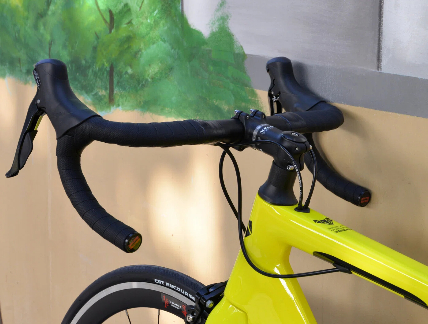
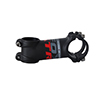
Upgrading your cockpit shouldn't feel like solving a complex puzzle. A stem that doesn't fit your handlebar can turn an exciting upgrade into a frustrating ordeal. This guide will demystify the key standards and explain how a versatile component like the Trifox Alloy Light Stem ABS300 is designed for broad, hassle-free compatibility.The Core Standard: Handlebar Clamp DiametersThe most critical check is the stem-to-handlebar fit. The industry uses two main diameters:• 31.8mm (The Universal Standard): The default for most modern mountain bike stems and road bike stems. It offers a great balance of stiffness and weight.• 35mm (The Oversized Standard): Used on some high-end bikes for maximum stiffness.The Trifox ABS300 features a 31.8mm handlebar clamp, making it instantly compatible with the widest range of handlebars.Compatibility Checklist: What Works with the ABS300Here’s a quick guide to what fits:• Handlebars: Any standard 31.8 mm stem diameter bar (most MTB and road bars).• Fork Steerer: Standard 1-1/8" (28.6mm) threadless forks.• Shift/Brake Levers: All major brands (Shimano, SRAM). Levers mount to the bar, independent of the stem.• Use: Designed for both mountain and road bikes.Precision Matters: The Role of TolerancesTwo parts listed as 31.8mm might not fit perfectly due to manufacturing tolerances (allowed margin of error). Low-quality stems with poor tolerances can lead to unsafe, uneven clamping. The Trifox ABS300 is precision CNC-machined with extremely tight tolerances. This guarantees a perfect, secure fit with standard bars—no shims, no guesswork, just safe and reliable performance.Pro Installation Tips for a Safe Fit1. Clean Surfaces: Wipe the bar and stem clamp with isopropyl alcohol.2. Check Alignment: Center the handlebar in the stem.3. Torque to Spec (CRUCIAL): Always use a torque wrench. Tighten bolts gradually in a cross pattern. - For Aluminum Bars: Typically 5-6 Nm. - For Carbon Bars: Use carbon assembly paste and torque to spec (check bar manual).Conclusion: Compatibility Equals ConfidenceChoosing a stem like the Trifox ABS300 eliminates compatibility guesswork. Its universal 31.8mm standard, precise manufacturing, and versatile design let you build with confidence, ensuring a safe and reliable connection between you and your bike for every ride.



